Key Takeaways
The core difference between smoky tea vs non‑smoky tea lies in their drying process, which directly shapes their aroma, flavor, and drinking experience. Below are concise answers to key questions for quick reference:
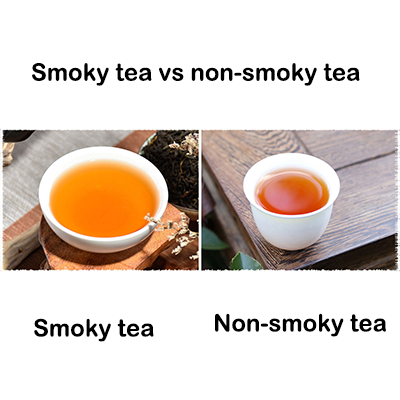
- Smoky tea: Dried over pine wood (traditional method), with bold pine smoke, woody aroma, and full‑bodied flavor (e.g., traditional Lapsang Souchong).
- Non‑smoky tea: Dried via hot‑air (modern method), highlighting natural terroir with floral, fruity, or honey notes (e.g., Keemun Black Tea, Rizhao Black Tea).
- Neither is “better” – choice depends on palate (bold vs light) and use case (daily drinking vs traditional experience).
- Beginners prefer non‑smoky tea; those who enjoy bold flavors (e.g., whisky, smoked foods) favor smoky tea.
- Both are premium Chinese black teas, available at Szodtx with authentic quality.
Introduction
There’s nothing quite like a cup of Chinese black tea – rich, aromatic, and authentic, just as Szodtx promises. But if you’ve explored our black tea collection, you’ve likely noticed a key distinction: some teas carry a warm, piney smoke, while others offer clean, bright sweetness. That’s the contrast between smoky tea vs non‑smoky tea – two beloved styles that showcase the diversity of Chinese tea craftsmanship.
Whether you’re a tea enthusiast curious about traditional methods or a new drinker wondering which tea to try first, this guide breaks down everything you need to know. We’ll cover their origins, processing, flavor profiles, and how to choose the perfect one for your cupboard. By the end, you’ll not only understand the difference but also know exactly which tea to add to your cart – and why Szodtx’s selection stands out for its authenticity.
What Is Smoky Tea? (Definition + Origins + Process)
Smoky tea is a traditional style of Chinese black tea, most famously represented by Lapsang Souchong – a tea with a history dating back centuries, and a staple in Szodtx’s black tea collection. Here’s what you need to know:
Key Details About Smoky Tea
- Origins: First developed in the Wuyi Mountains of Fujian Province, China – the birthplace of the world’s first black tea.
- Processing: After withering, rolling, and fermenting, the tea leaves are dried in traditional “Qing Lou” smoke houses, where they’re exposed to smoke from burning pine wood. This smoke infuses the leaves with its signature aroma and flavor.
- Signature Characteristics: Warm pine smoke, woody resin, and a subtle sweetness (often compared to dried longan or honey). The broth is deep, full‑bodied, and smooth – never harsh or bitter when made with high‑quality leaves.
- Popular Example: Traditional Lapsang Souchong, available at Szodtx – a true representation of authentic smoky tea craftsmanship.
What Is Non‑Smoky Tea? (Definition + Why It Exists)
Non‑smoky tea is a modern adaptation of Chinese black tea, designed to highlight the natural flavor of the tea leaves without the smoke. It’s the most popular style for daily drinking, and Szodtx offers a wide range of non‑smoky options, including Keemun Black Tea, Rizhao Black Tea, and Zhenghe Gongfu Black Tea.
Key Details About Non‑Smoky Tea
- Processing: Uses the same base tea leaves as smoky tea (e.g., Lapsang Souchong, Keemun) but skips the pine smoke drying. Instead, leaves are dried with hot air, preserving their natural terroir and flavor.
- Why It Exists: Created to appeal to a wider audience, especially new tea drinkers who may find smoky flavors too bold. It lets the tea’s inherent characteristics – floral, fruity, or honeyed – take center stage.
- Signature Characteristics: Bright, fresh, and smooth, with notes of jasmine, apple, honey, or dried fruit. The broth is lighter in body but still rich, making it easy to drink daily.
- Popular Examples: Keemun Black Tea (floral and fruity), Rizhao Black Tea (mellow and sweet), and Jiuqu Hongmei Black Tea – all available in Szodtx’s “Black Tea” category.
Smoky Tea vs Non‑Smoky Tea: Head‑to‑Head Comparison
To make it easy to compare, here’s a detailed table breaking down the key differences between the two styles – perfect for quickly finding which one fits your taste:
| Feature | Smoky Tea | Non‑Smoky Tea |
|---|---|---|
| Key Aroma | Pine smoke, woody, resinous, with subtle sweet undertones | Floral (jasmine, orchid), fruity (apple, peach), honey, clean |
| Flavor Profile | Bold, smoky‑sweet, full‑bodied, with longan or honey notes | Bright, mellow, natural sweetness, delicate and smooth |
| Tea Body | Full, rich, creamy, with a lingering finish | Medium to light, refreshing, easy to sip |
| Processing Method | Pine wood smoke drying (traditional) | Hot‑air drying (modern) |
| Best For | Cold days, bold palates, after heavy meals, traditional tea lovers | Daily drinking, beginners, light tastes, all seasons |
| Examples (Szodtx) | Traditional Lapsang Souchong | Keemun Black Tea, Rizhao Black Tea, Zhenghe Gongfu Black Tea, Jiuqu Hongmei |
Common Questions About Smoky Tea vs Non‑Smoky Tea (Q&A)
We’ve compiled the most frequently asked questions from our Szodtx customers to help you clear up any confusion:
Q: Is smoky tea a sign of poor quality?
No! Authentic smoky flavor is an intentional, premium craft – it’s not a defect. The difference is in the smoke quality: good smoky tea has a warm, integrated pine smoke (no harsh or burnt taste), while low‑quality smoky tea may have chemical or artificial smoke notes. At Szodtx, our smoky teas use traditional pine wood drying for an authentic, smooth flavor.
Q: Which tea is better for beginners?
Almost always non‑smoky tea. Its clean, sweet flavor has no learning curve, making it easy to enjoy right away. If you’re new to Chinese black tea, start with Szodtx’s Keemun Black Tea or Rizhao Black Tea – they’re mellow and approachable.
Q: Can I add milk or sugar to these teas?
Absolutely – both styles pair well with milk or sugar, depending on your preference:
- Smoky tea: Works beautifully with milk, creating a rich, creamy drink (similar to a smoky black tea latte).
- Non‑smoky tea: Tastes great pure, but a splash of milk or a pinch of sugar enhances its natural sweetness.
Q: How do I store smoky and non‑smoky tea?
Both follow the same storage rules – keep them in a cool, dry, airtight container, away from light, moisture, and strong odors (smoky tea can absorb other smells easily). Bonus: High‑quality smoky tea can age well, while non‑smoky tea is best enjoyed fresh to preserve its bright flavor. Szodtx’s tea packaging is designed to keep your tea fresh for longer!
Which One Should You Choose? (Practical Guide)
Still unsure which tea to pick? Use this simple guide to match your taste and lifestyle:
Choose Smoky Tea If You:
- Love bold, warming flavors (e.g., you enjoy whisky, smoked salmon, or strong black coffee).
- Want a traditional tea experience – smoky tea carries centuries of Chinese tea culture.
- Drink tea mainly in autumn or winter (it’s perfect for warming up on cold days).
- Prefer a full‑bodied drink that pairs well with heavy meals (e.g., meat, cheese).
Choose Non‑Smoky Tea If You:
- Prefer clean, delicate flavors (floral, fruity, or honeyed) over bold smoke.
- Are new to Chinese black tea and want an easy‑to‑love option.
- Drink tea daily – it’s light enough for morning, afternoon, or evening sipping.
- Want to taste the natural terroir of the tea leaves (no smoke to mask their unique flavor).
Conclusion
Smoky tea vs non‑smoky tea – there’s no “winner” here, only two distinct expressions of Chinese black tea’s richness and versatility. Smoky tea honors tradition with its warm pine smoke and full‑bodied flavor, while non‑smoky tea shines a light on the natural beauty of the tea leaves, offering bright, clean sweetness. Both are authentic, aromatic, and aligned with Szodtx’s commitment to premium Chinese tea.
No matter which style you choose, you’ll find high‑quality options in Szodtx’s “Black Tea” category – from traditional Lapsang Souchong (smoky) to Keemun Black Tea (non‑smoky) and everything in between. Whether you’re a seasoned tea lover or just starting your journey, these teas are sure to elevate your daily sip.
At Szodtx, we’re passionate about sharing the best of Chinese tea culture with the world – and we’re here to help you find your perfect cup. Remember, the best tea is the one you love to drink, and with our selection, you’re sure to find a smoky or non‑smoky tea that fits your palate. Smoky tea vs non‑smoky tea – which will you try first?